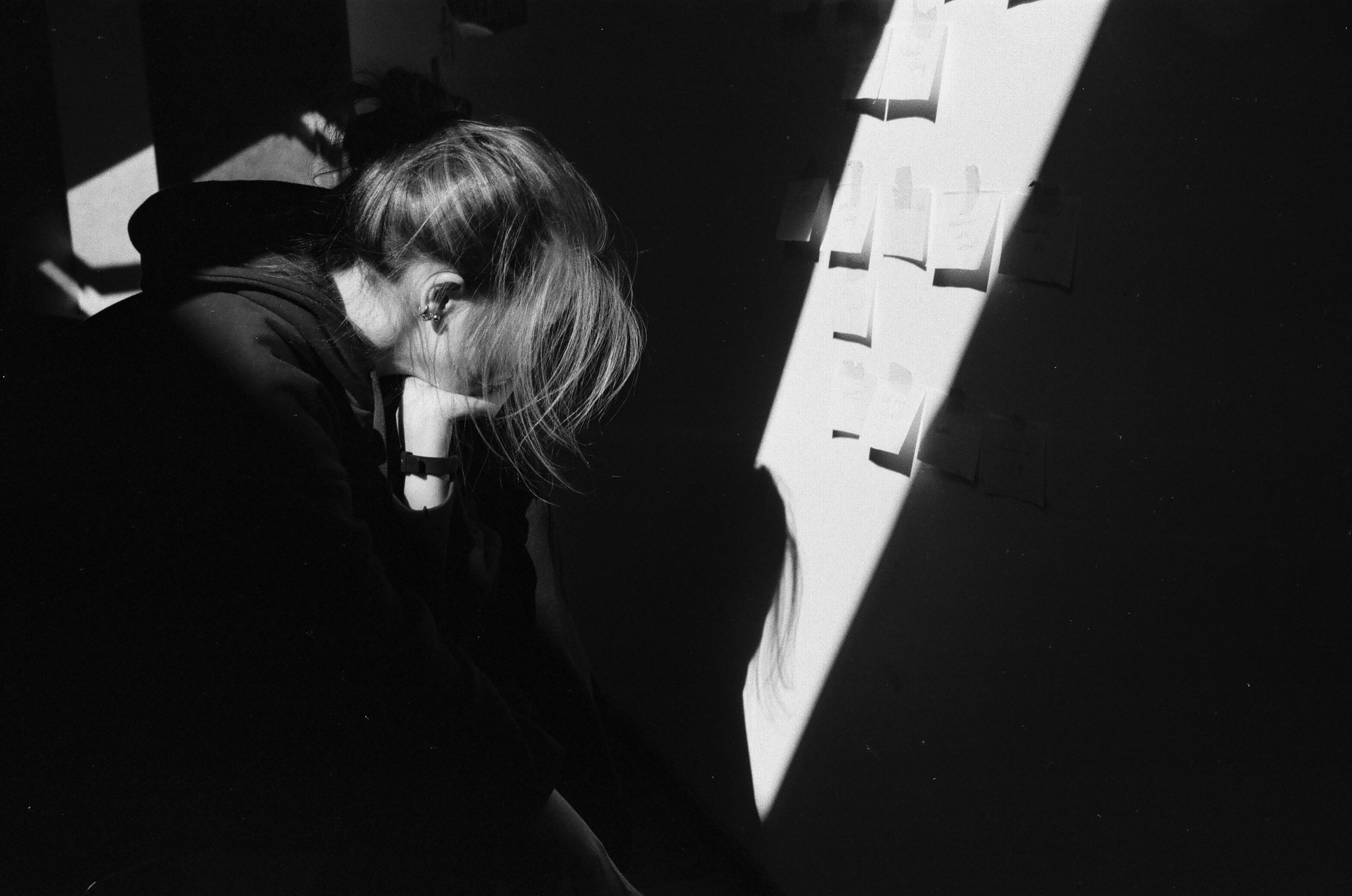
Emily*, a beneficiary of our Ronald McDonald Family Room at the Institute of
Mental Health (IMH), shares her story of her daughter, Natalie’s* Depression.
Natalie was formally diagnosed with Depression in April 2019. It first started
with mood issues in 2018 but it never occurred to her mother, that it could be
Depression and attributed her mood swings to being an expected part of puberty.
As the main caregiver to Natalie and her two other siblings, Emily’s frustration
started growing when she had to nag at Natalie to perform simple, functional
tasks like taking dinner, showering, completing her homework and more. For a
period of time, the mother and daughter duo were constantly arguing every single
day and this was the point that Emily suggested for Natalie to see the school
counsellor to talk to someone about anger management issues; which was what she
originally thought Natalie was going through and even offered to see the school
counsellor together. Natalie took to her suggestion and went on to meet with her
school counsellor. That’s when Emily got the call from the counsellor, telling
her that Natalie had “Selective Depression” and suggested she be brought for
more counselling sessions during the school holidays.
Emily admits it was initially hard to accept and comprehend why Natalie would be
depressed. She was doing well in school – both academically and beyond. Emily
was also very active in the Parent Support Group, and the common interaction
with the teachers showed no tell-tale signs.
In November 2018, Natalie experienced her first major meltdown that required the
police’s intervention. Through that episode, it opened up the opportunity for
Natalie to share about her depressive moods and fears with her mother. She
subsequently agreed to go for counselling sessions but did not find it useful.
When school started the next year, Natalie voiced out to Emily about being
unable to cope with her moods and was feeling more depressed. They explored
changing schools to give her a fresh environment, but unfortunately just after
one week of attending the new school, Natalie was cyber-bullied and eventually
refused school altogether.
Her refusing school was very hard on Emily – who could not understand why and
did not know what happened. Things were made worst when the school suggested for
Natalie to withdraw. Emily stood firm and fought for Natalie to remain in
school, believing that what her daughter needed in that moment was help and
support, not “punishment” from the school.
It was then that she started to research more about depression and went all out
to call the different agencies to find out who to approach for help and what she
can do for her daughter. It was a very tough period, not knowing who to get help
from and having to manage an enraged child who locked herself in the room, who
refused to communicate and used gaming to ignore attempts at interaction. This
made Emily growingly worried, that Natalie could harm herself while left alone.
Efforts to see a General Practitioner and a Private Psychiatrist were not
fruitful, with Natalie choosing to remain mum at her appointments. The advice
from these doctor appointments were to then bring her to IMH.
In April 2019, Natalie had another major meltdown which triggered violent
tendencies. Emily had to seek help from the police yet again, and they then took
Natalie to IMH. That’s when it kickstarted her recovery journey.
Today, Emily has a much closer relationship with Natalie and her brothers. Emily
has also registered herself for caregiver training, attended many workshops and
webinars on parenting and mental health and even took up a Graduate Diploma on
Psychology and Counselling to better equip herself to support Natalie!
As encouragement to other parents finding themselves in similar situations,
Emily says “I feel all caregivers have made many sacrifices in their own ways,
and it is the unfailing love we have for our children that keeps us going. Learn
to take small steps and celebrate the small wins. Our children need us and know
that they appreciate what you have done; even if they do not express it.”
*Names and images used have been changed to protect the identity of our
beneficiaries.